
Eco-Smart Ways to Reduce Your Energy Bill in 2026
Eco-Smart Ways to Reduce Your Energy Bill in 2026
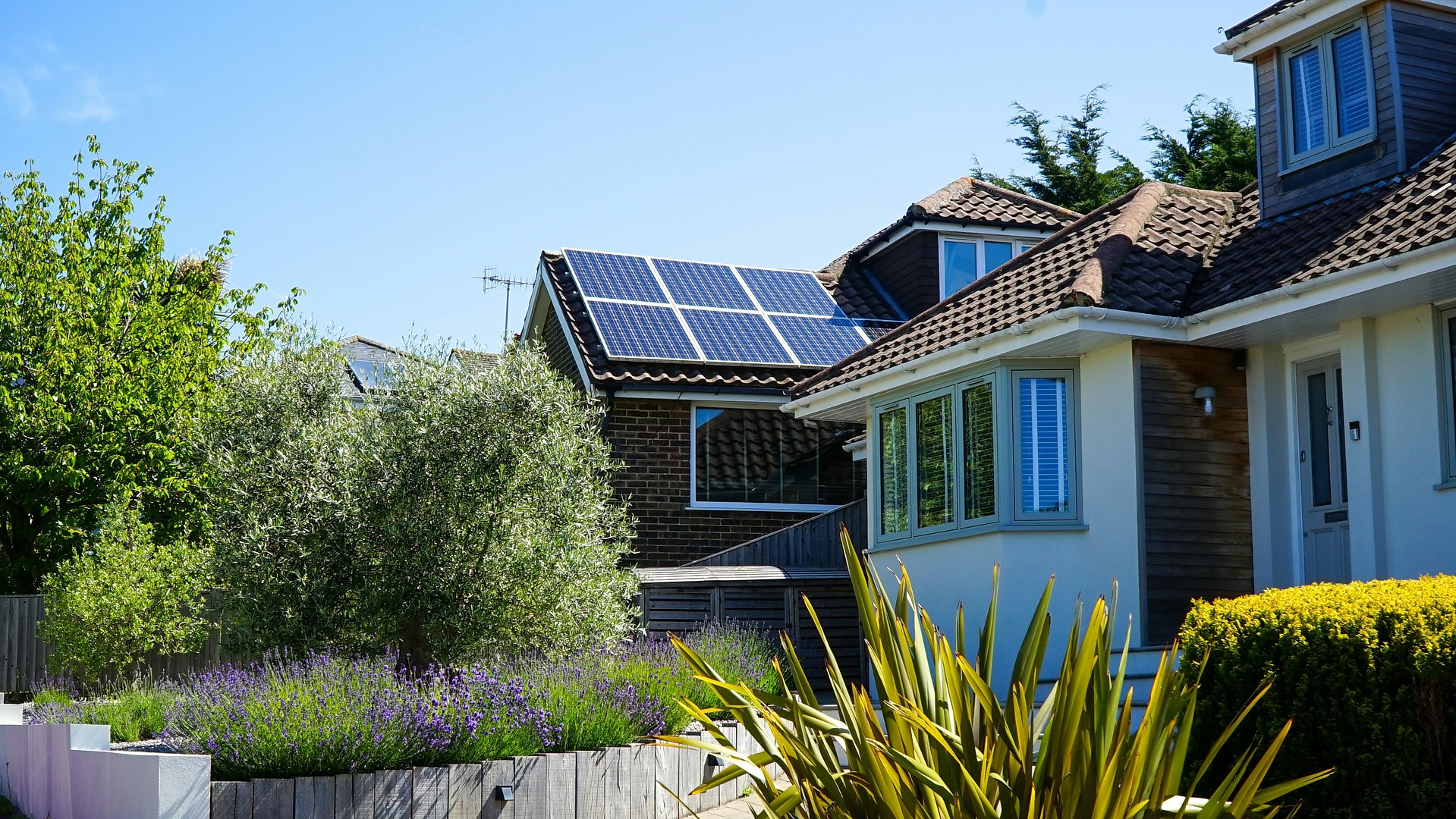
With rising energy prices across Australia, homeowners and renters alike are looking for practical, affordable ways to cut their electricity use. While big investments like solar panels or battery storage aren’t suitable for everyone, there are plenty of low-cost, eco-friendly changes you can make right now that can deliver meaningful savings.
Below are the most effective energy-smart strategies for 2026, combining updated advice with simple habits that help reduce your overall energy consumption.
1. Keep the Energy You Generate Inside Your Home
Heating and cooling remain the biggest contributors to household energy use. By keeping cooled or heated air inside, you can significantly reduce your reliance on air conditioners and heaters.
Improve insulation
- Roof insulation still provides the best energy-saving return of any home upgrade. Consider topping up or replacing old batts if they’re more than 10-15 years old.
- Check walls and underfloor insulation in older homes; these areas can leak a surprising amount of heat.
Seal gaps and stop drafts
- Seal cracks around windows, doors and flooring. Even small gaps force heaters and air conditioners to work harder.
- Use door snakes, silicone sealant, and weather stripping for inexpensive, fast improvements.
Use window treatments strategically
- In winter: Thick, lined curtains and pelmets help trap warm air indoors.
- In summer: Close blinds and curtains during the day, especially on west-facing windows—to block radiant heat.
Use fans to reduce air-con dependence
- Ceiling and pedestal fans use around 80% less energy than air conditioners.
- Use fans to circulate cooled air more effectively so your AC can run at a higher set temperature.
Optimise your thermostat
- Winter: Set heating between 18-20°C
- Summer: Set cooling to 25-26°C
Each degree outside this range can add 10-15% to your energy bill.
2. Eliminate “Vampire Energy” From Standby Appliances
Standby power can account for up to 3-7% of home energy use.
- Turn off appliances at the wall instead of leaving the standby light on.
- Unplug chargers once devices are fully charged.
- Consider using smart power boards that automatically shut off power to unused devices.
3. Reduce Washing and Drying Costs
Washing machines, dryers and dishwashers are among the highest energy users in any home.
Wash smarter
- Wash clothing in cold water, modern detergents work just as well, and it can halve energy usage per load.
- Wait for a full load before running the washing machine or dishwasher.
Skip the dryer
- Use the sun and wind free, eco-friendly drying tools that Australia has plenty of.
- If you must use a dryer, choose an energy-efficient heat-pump dryer, which uses far less power.
Wear garments more than once
Many items (like jeans, jumpers and jackets) don’t need washing after one wear. Reducing just one washing load per week saves water, power and detergent.
4. Use Kitchen Appliances More Efficiently
The kitchen can quietly waste a lot of energy, but a few simple tweaks can help.
Choose energy-efficient appliances
Replace old fridges, freezers and dishwashers with Energy Star–rated models. Newer models can use 30–50% less electricity.
Select the right size fridge, larger units consume more energy even when half-empty.
Cook smarter
- Microwaves use less energy than ovens for reheating and small meals.
- Match pot size to burner size to reduce wasted heat on stovetops.
- Batch-cook meals or bake multiple dishes at once to make the most of the oven’s heat.
5. Watch Your Hot Water Use
Water heating accounts for roughly 20-30% of the average Australian energy bill.
Shorter showers save more than you think
A shorter shower, paired with a water-efficient showerhead, can cut hot water use dramatically.
Lower the temperature
- Set your hot water system to 50-55°C (or 60°C for storage tanks).
- Every 10°C reduction can save significant electricity across the year.
Heat only the water you need
- Don’t fill the kettle to the top, boil only what you’ll use.
- Use cold water for laundry wherever possible.
6. Develop Everyday Energy-Saving Habits
Small daily habits make a real difference when combined.
- Turn off lights when leaving a room.
- Switch to LED lighting, which uses up to 80% less energy.
- Keep fridges organised and not overly empty, cold air escapes more easily when shelves are sparse.
Final Thoughts: Eco-Smart Choices Add Up
Reducing your energy bill doesn’t have to mean major renovations or expensive new systems. With a focus on insulation, smarter appliance use, and mindful daily habits, you can cut your energy consumption right away, while shrinking your environmental footprint.
If you’ve discovered any clever ways to save energy at home, share your tips! Every small change helps create a greener, more efficient household.
Share
Get An Instant
Property Estimate
Find out the value of your property and see comparable sales, suburb performance and more. It takes seconds and it's free.